Between the lines
How I Design
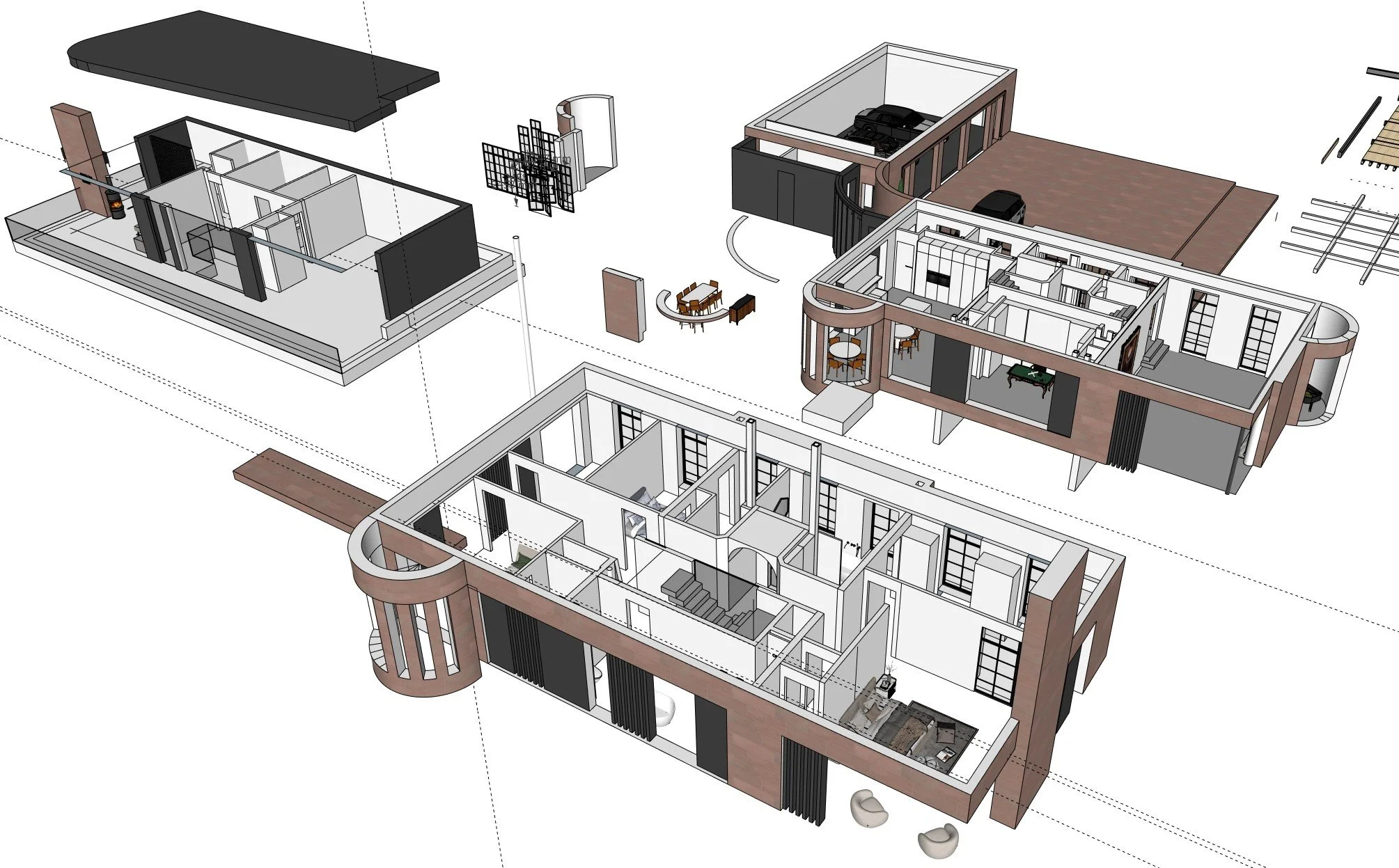
Each floor in dialogue, the whole picture unfolding through iteration.
Design doesn’t arrive fully formed for me. It emerges.
I rarely begin with a fixed idea of how something will look at the end. Instead, I start with a loose framework — a plan, a proportion, a circulation move — and allow the design to unfold as I work. Each decision informs the next, and often loops back to refine what came before.
This is an iterative, recursive process. I hold the whole picture and the smallest details at the same time, constantly sensing how a single change — a stair width, a landing position, a shift in alignment — affects everything else. When something is off, I feel it immediately. And until it’s resolved, I can’t quite settle.
Designing this way means working across multiple fields simultaneously: technical, functional, spatial, material, emotional. Light, movement, proportion, and use are all being tested together, not in isolation. It isn’t top‑down or bottom‑up thinking — it’s inside‑out design.
It makes no sense to me to design a house and then try to make the internal spaces fit the client’s requirements. For example, why propose a space for a kitchen only to later realise that a window or a stair needs to move, resulting in the design being compromised? Instead, the whole design should evolve together. With a broad understanding of how the house and its rooms will function, decisions about proportions, light, circulation, and layout are made in parallel. The finer details are refined as the process unfolds. It’s evolution in design — considered, recursive, and holistic.
Ideas don’t arrive first and get executed later. They form through making. A basic floor plan leads to a stair adjustment, which reveals a better room relationship, which unlocks a clearer structure. One thing leads to another, much like building something complex without instructions — responding in real time to what the design is asking for.
This way of working is demanding. It requires sustained focus and a willingness to revisit decisions again and again. But it’s also how spaces become resolved rather than simply assembled. When it works, the design quietens. The questions stop. Movement feels natural. Nothing is fighting for attention.
That moment — when the space settles — is what I’m always working towards.
It’s not about adding more. It’s about iterating until what remains feels inevitable.
Why Hire An Interior Designer?
Designing a home involves countless decisions — from layout and lighting to materials, finishes, and furniture — each shaping not only how a space looks but how it feels to live in. Bringing in an interior designer adds clarity, structure, and expertise, helping you make informed choices and create a home that truly works for your lifestyle.
Every project starts with your story. Your routines, priorities, and how you want your spaces to feel guide decisions on layouts, atmospheres, materials, and details. This person-centred approach ensures that every room is functional, comfortable, and reflective of your personality, rather than following trends or the latest showrooms.
An interior designer brings expert guidance across all aspects of your home. They can optimise layouts, advise on finishes, lighting, and furniture, and anticipate challenges before they arise. With this professional knowledge, spaces become practical, aesthetically pleasing, and harmonious, avoiding costly mistakes or guesswork.
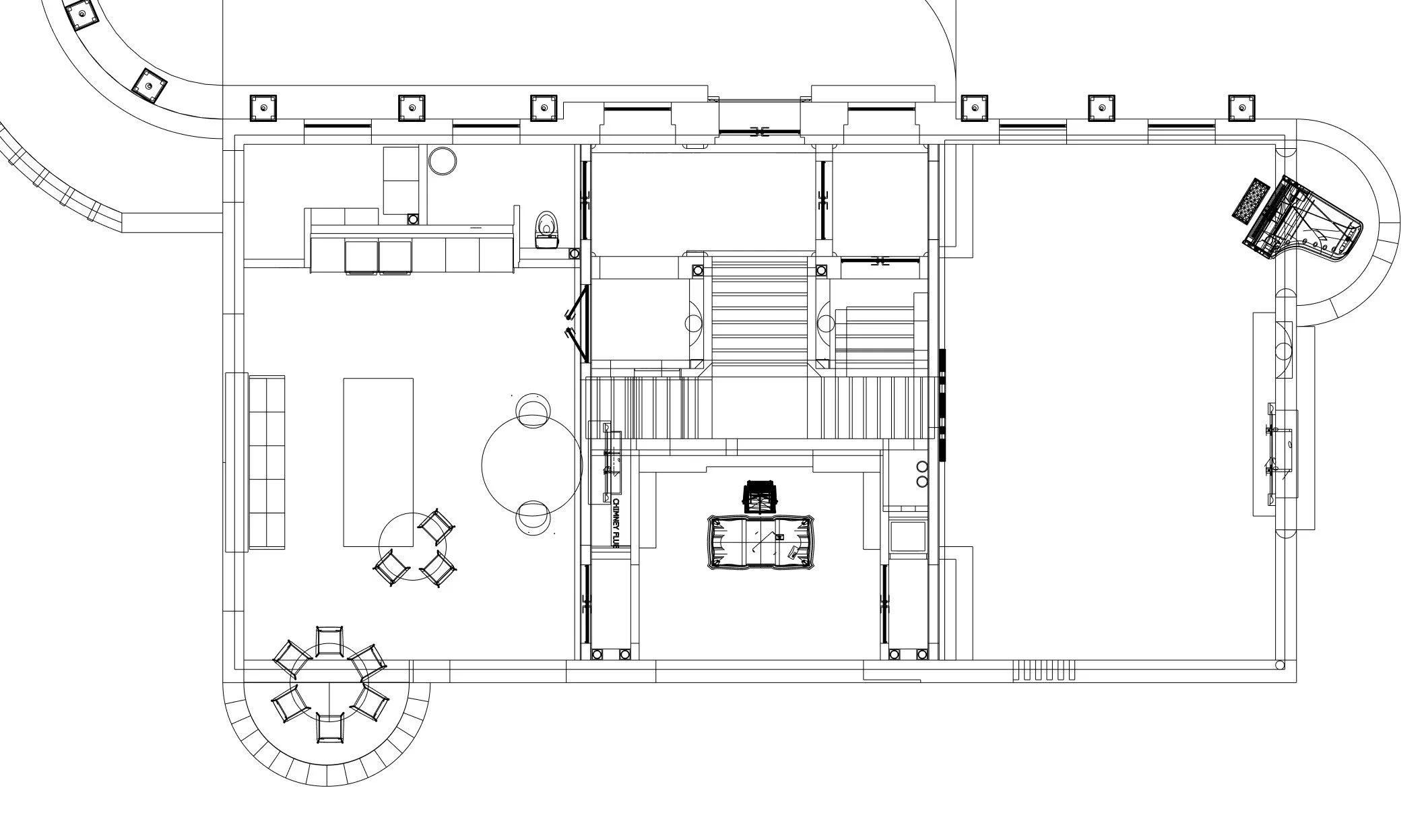
Floorplan ‘Footprint’ proposal for a unique 3 storey house.
Clear documentation and thoughtful planning mean you can move forward with confidence. Detailed drawings, plans, and specifications reduce stress, save time, and allow you to make decisions with certainty. You retain control over procurement and implementation, while having the reassurance of expert input guiding each step.
Interior designers also take a holistic view of your home. From kitchens and bathrooms to living areas, function rooms, and bespoke furniture, every space is considered in relation to the rest of your home. This approach ensures cohesion, functionality, and a flow that feels intentional and natural.
As you reflect on your own home, consider which spaces feel disjointed, under-utilised, or unclear. Where could professional guidance save time, money, or stress? Which decisions are causing hesitation — layouts, materials, lighting — that a designer could clarify? Mapping your priorities can reveal the tangible value that an interior designer brings, helping you turn a series of individual choices into a cohesive, authentic, and lasting home environment.
After all, its your space, your story.
Before There Were Clients, There Were Bricks
It all begins with an idea.
Long before I had clients, I was designing — initially in miniature worlds, later translating that same spatial intuition to full-scale homes.
Design began in childhood, long before I had the language to describe it. I was endlessly absorbed in making things: sketching floor plans, building suspension bridges, assembling LEGO cars and boats. But it was architecture that truly captured me. I was drawn to the great stately homes of England and the châteaux of France — their symmetry, order, and grandeur — and I recreated them obsessively in miniature form.
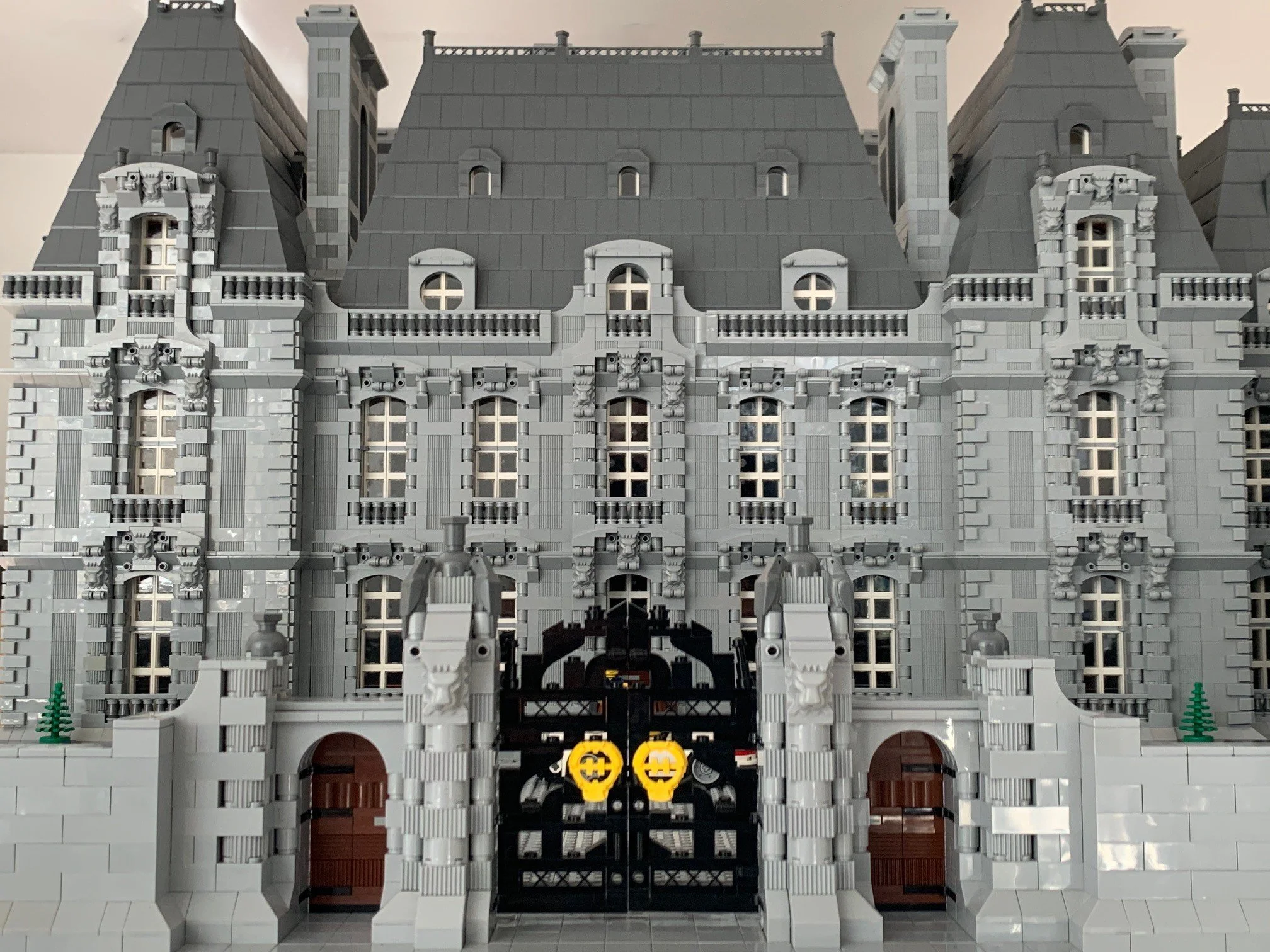
Lego Chateau
LEGO wasn’t about following instructions. It was about building entire worlds. I’d fall into deep focus, losing all sense of time — forgetting to eat, speak, or even move. In those moments, I wasn’t just playing; I was designing, exercising an intuitive understanding of space, structure, and proportion.
A few years ago, I revisited that same intense focus. I built a LEGO chateau — not a modest house, but a vast, intricate residence inspired by 18th-century architecture. I sketched a rough layout beforehand, but the build took on a life of its own.
The result was a sixty-plus-room chateau: entrance hall, great hall, drawing room, study, salon, dining room, library, and a suite of state rooms. There was a full service wing, a boathouse, five staircases, and a central staircase worthy of a museum. Every space had a purpose, guided by an internal logic I understood intuitively, even if I couldn’t fully articulate it.
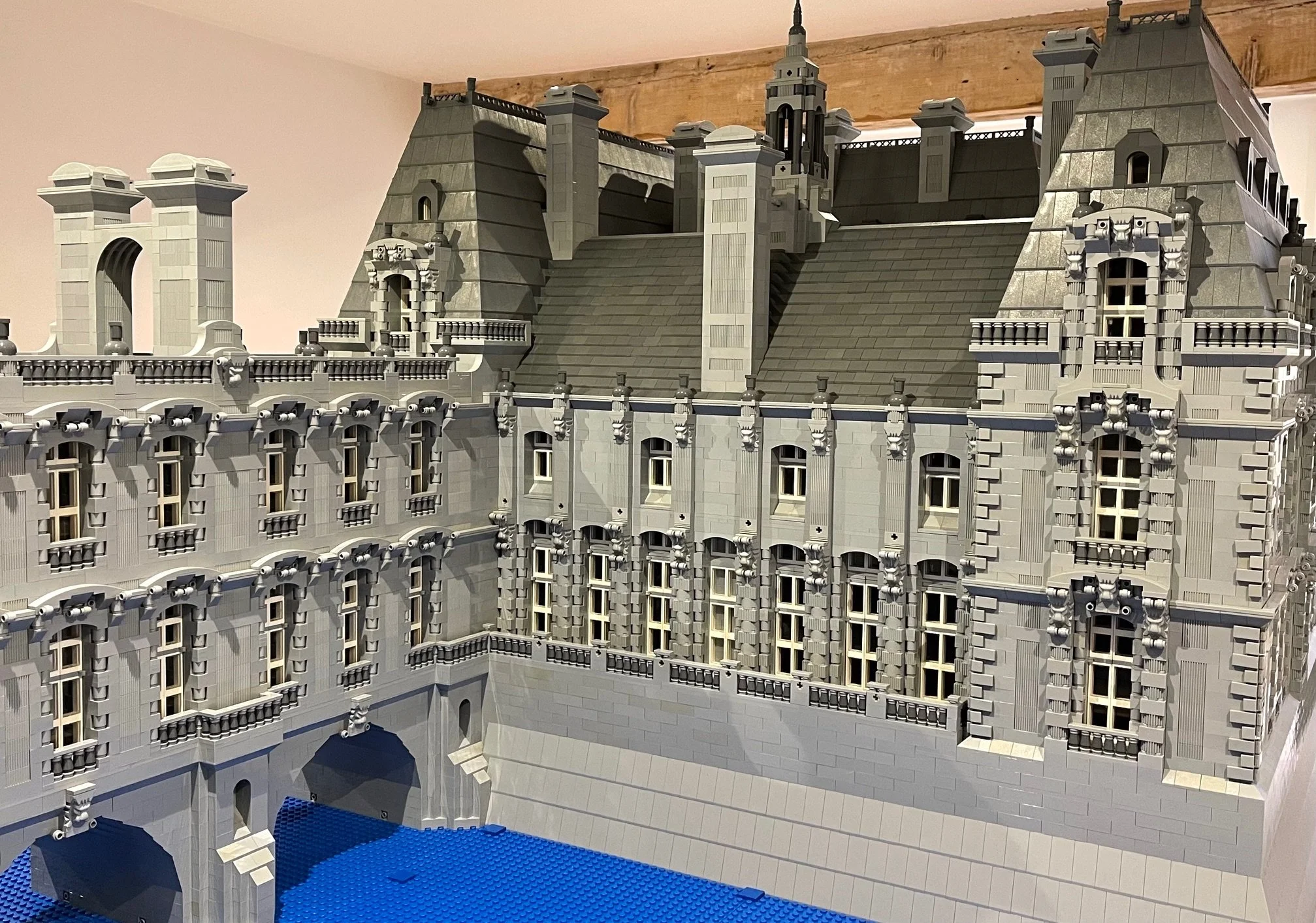
Lego Chateau
This wasn’t my first LEGO project — far from it — but it was the first time I recognised what I was doing for what it truly was: a raw, unfiltered expression of my design thinking. Intuitive. Visual. Structural. Analytical.
Today, when I design real homes — kitchens, interiors, built-in furniture — I draw on that same instinct. That early focus on spatial rhythm, functional logic, and emotional flow underpins everything I do. It’s what allows me to create spaces that don’t just look good, but feel deeply right.
Looking back, that chateau wasn’t just a model — it was a blueprint for my approach to design: seeing possibilities before they exist, thinking in layers, and trusting intuition alongside technical knowledge. A reminder that design doesn’t always begin with a plan. Sometimes, it begins with a pile of bricks, a mind full of ideas, and a way of seeing the world that’s a little different — but profoundly your own.
